
The Toronto-based abstract painter talks about her daily studio practice, the shift to abstraction, and how illness has deepened her connection to early morning light
You've maintained a daily studio practice for over three decades. What does that kind ofconsistency require, and what has it taught you?
Consistency, for me, has never been about strict discipline or forcing a routine. It comes from along-term commitment to the work and a willingness to keep showing up, even on days whenthings feel uncertain or unresolved. I have learned that those days matter just as much as theinspired ones.Maintaining a daily practice over time has taught me to trust the process and to be patient withit. Progress is rarely obvious in the moment. It happens quietly, through repetition, attention, andcare.Consistency has changed my relationship with doubt. It’s no longer something to overcome butsomething that keeps me engaged and curious. Staying present is the greatest teacher
Be clear, be confident and don’t overthink it. The beauty of your story is that it’s going to continue to evolve and your site can evolve with it. Your goal should be to make it feel right for right now. Later will take care of itself. It always does.
Sunrise is a recurring source of inspiration in your work. What is it about those earlyhours that continues to draw you in?
The early hours draw me in because they mark the beginning of a new day.That experience means a great deal to me. This is why, even while still half asleep, I crawl out of my warm bed in the darkness to chase that humble sunrise. Living with cancer has made me deeply aware that being here to witness a new day is not something to take for granted.The city is still asleep, and there is a rare moment of quiet that does not come again. In these moments, everything feels open, before the noise and movement of the day take over.Every sunrise that I experience reminds me to be grateful for the privilege of being present.
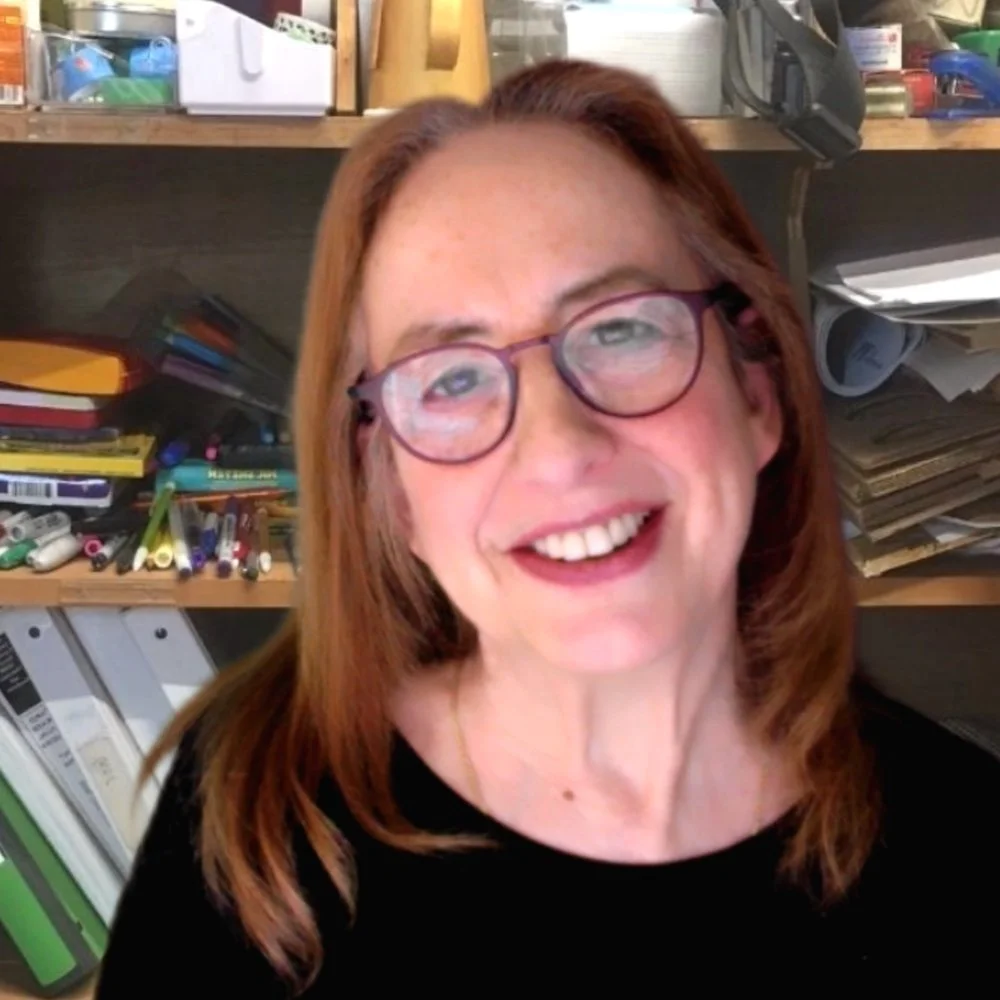
You work in layers, letting each painting unfold intuitively. How do you know when a piece is finished?
I know a painting is finished when it feels ready to put it out into the world. When there isnothing left to add, and nothing left to take away.Working in layers helps me get there. I build, cover, return, and listen.Some pieces arrive quickly. Others take time, and I let them.For me, a painting is finished when it feels settled enough to stand on its own.Not perfect.Just complete...Ready to be released.
You share a new artwork each week on Substack, paired with your reflections. What doesthat discipline of weekly sharing bring to your practice?
I have only just started sharing on Substack. I have been writing a weekly newsletter sinceAugust 2020. This began during COVID, while I was in self-isolation, as a way to reach out tothe world in a time of darkness and connect with people I did not know.What started as a small group of subscribers has grown to thousands, and now my Thursdaynewsletter is the highlight of my week. It remains my best opportunity to connect directly withfellow art lovers.I love hearing back from subscribers. Their responses have inspired me in ways I never couldhave imagined.That discipline of weekly sharing keeps me present and reflective. Pairing artwork with wordsasks me to slow down, pay attention, and stay connected to the work as it unfolds
You were a figurative painter before turning to abstract work. What shifted, and what did abstraction allow you to explore that figurative didn't?
I was classically trained, learning the techniques of the Old Masters. That meant carefulobservation, strong draftsmanship, and working from life. There was always something in frontof me to respond to, something external to follow.Making that shift to abstraction asks much more of me, and that is what I love about it. There isnothing to copy, nothing to hide behind. Everything has to come from within. I have to dig deeper, trust myself more, and stay with the work even when it feels uncertain. That challenge keeps me engaged and honest. It asks me to show up fully, not just technically, but emotionally.Abstraction opened up a deeper kind of truth in my work.Building on that, it gave me space to explore complexity and uncertainty, and to invite theviewer into their own experience rather than directing them toward a single meaning